Order South African Rand: Understanding the Landscape of Local Currency Transactions
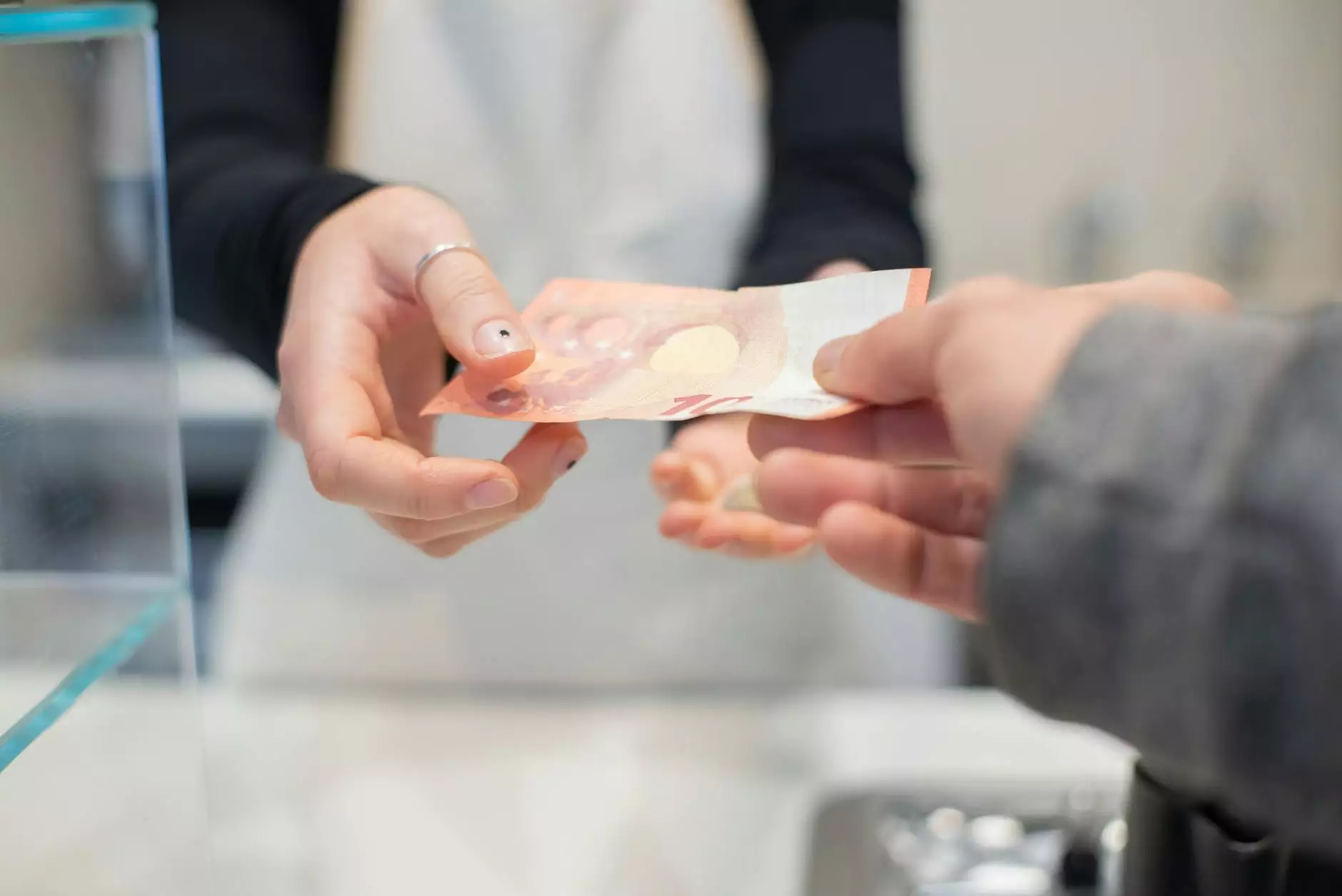
In the ever-evolving world of international finance and trade, understanding local currencies plays a pivotal role in ensuring successful transactions. One such currency that has gained attention is the South African Rand, which is not only vital for businesses within South Africa but also for international investors and travelers. This article will delve deep into the intricacies of how to order South African Rand, while also highlighting the importance of authenticity in currency dealings.
Why Order South African Rand?
The South African Rand (ZAR) is the official currency of South Africa and serves as a significant trading currency within the African economy. There are several compelling reasons one might choose to order South African Rand:
- Investment Opportunities: South Africa is home to numerous natural resources and a robust mining industry. Investors looking to capitalize on these opportunities require the Rand for various transactions.
- Travel Necessities: For travelers heading to South Africa, having local currency on hand makes conducting transactions smoother and avoids the hassle of dealing with unfavorable exchange rates at airports.
- Work and Remittances: For expatriates working in South Africa, receiving their salaries in South African Rand is essential for maintaining their lifestyle and economic stability.
- Online Transactions: With the rise of e-commerce, businesses often need to transact in local currencies to cater to specific markets.
The Process of Ordering South African Rand
1. Understanding Currency Exchange Platforms
To order South African Rand, one must first understand the available platforms for currency exchange. These platforms can vary from banks, online currency exchange services, to physical currency exchange offices. Each option has its pros and cons:
- Banks: Typically offer reliable services, though their rates might not be as competitive.
- Online Currency Exchanges: Often provide better rates and convenience, allowing for easy comparison between different services.
- Physical Exchange Offices: These can sometimes charge higher fees but may be more accessible for immediate cash needs.
2. Determining the Amount Needed
Before placing an order, it is crucial to ascertain the amount of South African Rand required. This involves considering the purpose of the currency - whether for travel, investment, or business transactions. Additionally, it is wise to factor in potential fluctuations in exchange rates and local inflation, which can vary day by day.
3. Researching Exchange Rates
Exchange rates between your local currency and the South African Rand fluctuate constantly based on market conditions. Hence, conducting research to find the most favorable exchange rates is essential. Websites like XE.com or financial news sites can provide real-time updates on exchange rates.
4. Placing Your Order
Once you have selected your desired platform and determined how much South African Rand you need, placing your order is the next step. Here are some tips for a smooth transaction:
- Provide Accurate Information: Ensure that all details, such as account information and identity verification, are accurate to avoid processing delays.
- Choose Your Delivery Method: Depending on the platform, you can opt for physical delivery of cash, bank transfers, or digital wallets.
- Be Aware of Fees: Always check for any hidden fees associated with the transaction that may affect the final amount received.
Ensuring Authenticity: Avoiding Counterfeit Money
In the realm of currency exchange, one of the most pressing issues is the existence of counterfeit money. Dealing with fake currency can lead to significant financial losses and legal issues. Here are some ways to ensure the currency you acquire is authentic:
1. Use Trusted Sources
Choose reputable institutions for purchasing South African Rand. Banks and certified exchange agencies have protocols in place for verifying the authenticity of currency.
2. Recognize Security Features
Modern banknotes contain various security features. Familiarizing yourself with these can help identify counterfeit notes. Key features of genuine South African Rand notes include:
- Watermarks: Visible when held against the light, the watermarks on Rand notes are essential security features.
- Color-Shifting Ink: The denomination on the note changes color when viewed from different angles.
- Microprinting: Tiny text that is often difficult to replicate can be found on genuine notes.
3. Verify Purchase Documentation
Request documentation or receipts when purchasing currency. These documents are crucial for tracing the transaction should any issues arise.
The Importance of Legal Documentation in Currency Transactions
When engaging in transactions involving significant amounts of currency, it is crucial to maintain proper documentation. This is especially true in the context of fake documents and their implications in financial dealings. Here are some key considerations:
1. Legal Compliance
Many countries have strict regulations regarding currency exchanges and financial transactions. Ensuring compliance with these regulations can protect your business from legal complications.
2. Transaction Records
Keeping detailed records of your transactions, including invoices and receipts, is essential for transparency. This is critical not only for personal records but also for any tax obligations that may arise.
3. Counterfeit Document Awareness
Awareness of counterfeit documents is vital in any business transaction. Whether you’re dealing with suppliers, clients, or partners, verifying the authenticity of documents (contracts, invoices, etc.) can safeguard your transactions.
Building Relationships for Future Transactions
Establishing strong relationships with financial institutions and currency exchange platforms can be beneficial for future currency dealings, especially when it comes to consistently ordering South African Rand. Here are a few strategies:
- Networking: Attend industry events to connect with financial service providers.
- Loyalty Programs: Inquire about loyalty programs offered by currency exchange platforms for potential discounts.
- Feedback and Reviews: Leaving constructive feedback can enhance your credibility, leading to better terms in future transactions.
Conclusion: The Path to Successful Currency Transactions
In conclusion, the process to order South African Rand involves understanding the various factors influencing currency exchange, ensuring authenticity, and maintaining legal documentation. The importance of these elements cannot be overstated, especially in a global economy where every financial move counts. By adhering to best practices and building relationships within the currency exchange landscape, businesses and individuals can navigate the complexities of financial transactions more successfully.
As we continue to advance further into an interconnected global market, mastering the art of currency management, especially with significant currencies like the South African Rand, will become increasingly pivotal for both existing businesses and those aspiring to enter the market.