Buy 2nd Hand Items: The Savvy Shopper's Guide
The Rise of Second-Hand Shopping
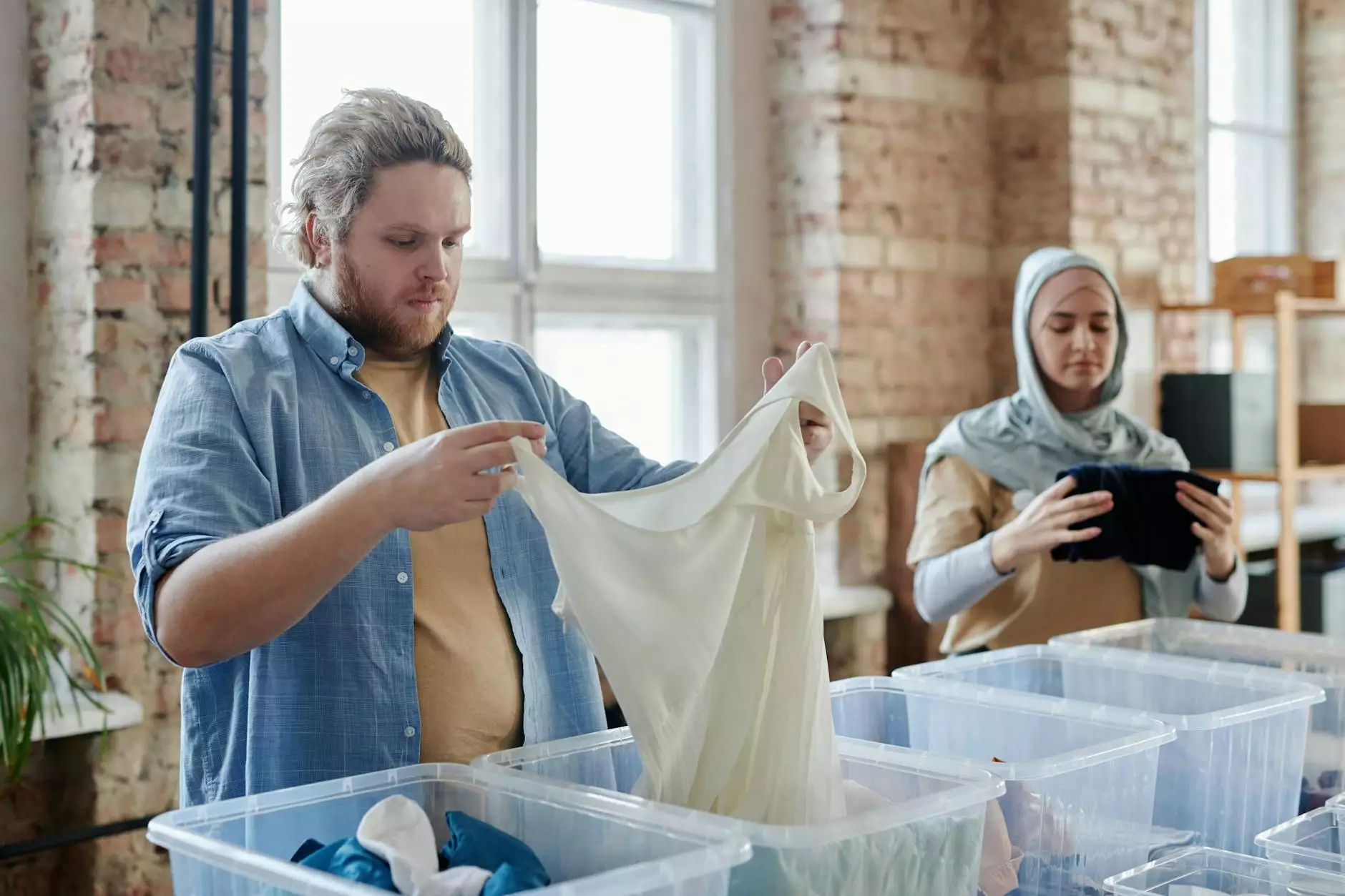
The world of shopping has undergone a transformation in recent years, with a significant shift towards sustainability and conscious consumerism. With the increasing awareness of environmental issues and the impact of fast fashion, many consumers are now embracing the idea of buying 2nd hand items. This growing trend not only offers unique opportunities for savings but also promotes a more sustainable lifestyle.
Why You Should Consider Buying Second-Hand
There are numerous benefits to consider when deciding whether to buy 2nd hand items. Here are some compelling reasons:
- Affordability: Second-hand items are often significantly cheaper than their brand new counterparts. This allows consumers to stretch their budgets further.
- Uniqueness: Used items often come with character and stories that new items lack. You can find unique pieces that reflect your personal style.
- Sustainability: Purchasing second-hand goods helps reduce waste and minimizes the demand for new products, making it an eco-friendly choice.
- Quality: Many second-hand items, especially vintage or older products, were made with higher quality materials compared to today's mass-produced items.
- Charity Support: Buying from thrift stores or charity shops often benefits good causes, making your purchase impactful.
Understanding the Types of Second-Hand Items Available
When you decide to buy 2nd hand items, you open yourself up to a world of possibilities. Some common categories of second-hand items include:
Clothing and Accessories
Second-hand clothing is a huge market. From thrift shops to online platforms, shoppers can find everything from high-end fashion to everyday wear. Look for:
- Vintage boutiques
- Online marketplaces like eBay, Poshmark, and Mercari
- Local second-hand shops
Furniture
Buying used furniture can not only save you money but also help you find unique pieces that can enhance your home's aesthetics. Consider:
- Buy from estate sales or garage sales
- Check out local classifieds
- Visit specialty vintage shops
Electronics
With technology evolving rapidly, many consumers sell their nearly new electronics. When purchasing used tech, ensure:
- You check the item for functionality
- Look for warranty options
- Purchase from reputable sellers and platforms
Where to Buy 2nd Hand Items
Finding second-hand items can be as easy as knowing where to look. Here are some top places to consider:
Local Thrift Stores
Thrift stores often have a treasure trove of items at unbeatable prices. Regular visits can lead to unexpected finds.
Online Marketplaces
Websites such as Craigslist, Facebook Marketplace, and OfferUp provide platforms for individuals to buy and sell used items locally.
Consignment Shops
Consignment shops are a great place to find high-quality, gently used items curated by the shop owner.
Garage Sales and Estate Sales
These sales can be gold mines for unique and rare items. Always check local listings for upcoming sales in your area.
Tips for Successful Second-Hand Shopping
To enhance your experience while trying to buy 2nd hand items, keep these tips in mind:
- Do Your Research: Know the value of what you are looking for to ensure you are making a wise purchase.
- Inspect Items Carefully: Look for damages, wear, and functionality before making a purchase.
- Negotiate: Don’t hesitate to negotiate prices when buying from individuals or at garage sales.
- Stay Open-Minded: Be open to unexpected finds – you never know what you might come across!
- Be Patient: Sometimes, second-hand shopping requires patience. The perfect item may take time to surface.
How to Negotiate When Buying Used Items
Negotiating is part of the charm of second-hand shopping. Here are some strategies to help you succeed:
- Be Friendly: A polite approach can often yield better results.
- Show Interest: Express interest in the item while being nonchalant about the price. This could encourage the seller to lower it.
- Be Prepared to Walk Away: Sometimes the best negotiation tactic is showing that you're willing to leave without purchasing.
- Research Comparable Prices: Use this knowledge to make well-informed offers based on market value.
Staying Safe While Shopping for Used Goods
While second-hand shopping can be fun and cost-effective, safety should always be a priority. Here are some tips to keep in mind:
- Meet in Public Places: When meeting a seller for a transaction, choose a busy, well-lit location.
- Trust Your Instincts: If something feels off, it's okay to walk away from a deal.
- Use Secure Payment Methods: For online purchases, always opt for secure payment methods to protect your financial information.
- Bring a Friend: When possible, take someone along for extra safety, especially for larger items or higher price ranges.
The Future of Second-Hand Shopping
As we continue to embrace sustainability, the future of buying 2nd hand items looks brighter than ever. More retailers are incorporating second-hand sections in their stores, and online platforms are expanding their offerings. This shift not only promotes better shopping habits but also supports a circular economy where resources are reused and recycled.
Conclusion
In conclusion, the decision to buy 2nd hand items is a win-win for both consumers and the environment. By shopping second-hand, you not only save money but also contribute to a more sustainable world. Embrace the thrill of the hunt, discover unique treasures, and join the growing community of savvy shoppers who appreciate the value of pre-loved items.
Remember, each second-hand item has a story to tell. As you add these pieces to your life, you are not just purchasing goods; you are participating in a more responsible and sustainable way of living. Start exploring today and find amazing deals that fit your budget and your values!