Unlocking the Potential of Local Pallet Sales
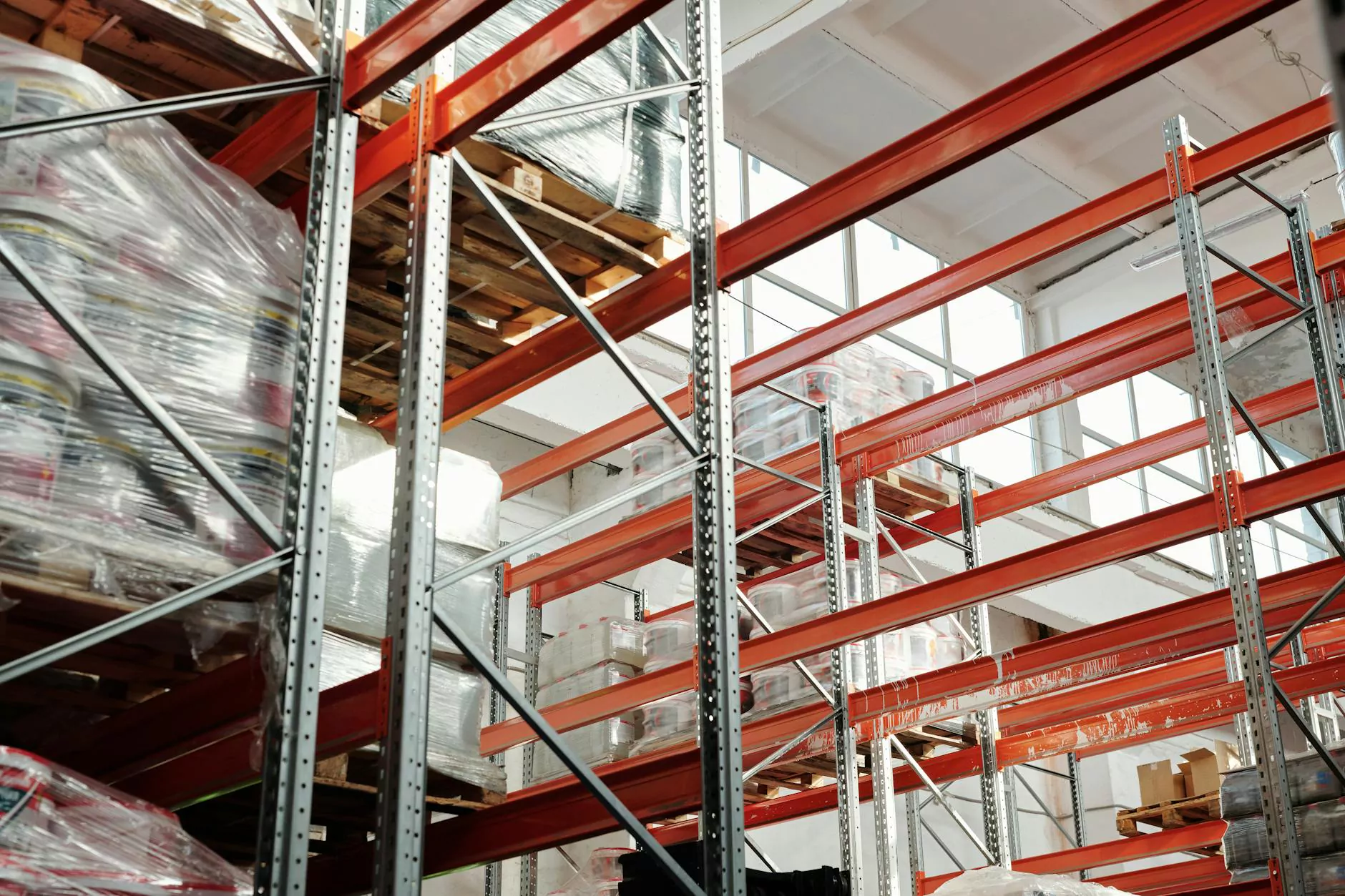
In today's ever-evolving market, the concept of local pallet sales has emerged as a significant opportunity for entrepreneurs and businesses alike. This article delves deep into the intricacies of this niche market, exploring its benefits, strategies for success, and how it integrates with broader shopping and wholesale dynamics. With a focus on globalpalletsales.com, we aim to provide a comprehensive guide that will equip you with the knowledge to excel in this field.
Understanding Local Pallet Sales
The term local pallet sales refers to the buying and selling of pallets locally, typically sourced from warehouses, retailers, or manufacturers. Pallets are often used for shipping goods, but many are discarded or left unused. By purchasing these pallets, individuals can access valuable products at a fraction of their retail cost.
Why Local Pallet Sales Are Booming
Several factors contribute to the increasing popularity of local pallet sales:
- Cost-Effectiveness: Buying pallets allows consumers and small businesses to obtain goods at significantly lower prices.
- Sustainability: Reselling used pallets promotes recycling and reduces waste.
- Diverse Product Range: From electronics to furniture, pallets contain a wide variety of goods.
- Entrepreneurial Opportunity: Starting a pallet resale business requires minimal investment compared to traditional retail.
How to Get Started with Local Pallet Sales
If you're considering diving into the world of local pallet sales, follow these essential steps to lay a solid foundation:
1. Conduct Thorough Market Research
Your first step should be to understand your local market. Research which types of pallets are in demand and what products are commonly found in your area. This can be achieved through:
- Surveying local businesses and e-commerce trends.
- Engaging with community forums to understand consumer needs.
- Analyzing competitors to identify gaps in the market.
2. Find Reliable Sources for Purchasing Pallets
Once you've identified demand, the next step is to find reliable sources for obtaining pallets. Consider the following:
- Local Warehouses: Many warehouses have surplus pallets they need to dispose of.
- Retail Stores: Stores often have excess inventory that they sell at discounted rates.
- Online Resources: Websites and local classifieds can also be valuable for sourcing pallets.
3. Determine Your Selling Strategy
There are various avenues for selling pallets:
- Direct Sales: Setting up a physical storefront or an online shop can attract customers directly.
- Wholesaling: Partnering with other retailers to sell in bulk can yield significant profits.
- Personal Shopping Services: Providing personalized pallet shopping experiences for clients can elevate your brand's reputation.
Building Your Brand in Local Pallet Sales
Establishing a strong brand presence is crucial in the competitive landscape of local pallet sales. Below are strategies to enhance your brand visibility:
1. Leverage Online Marketing
Utilize social media platforms like Facebook, Instagram, and Pinterest to showcase your products. High-quality images and videos can attract and engage potential customers. Additionally, setting up a dedicated website, like globalpalletsales.com, can serve as your online storefront.
2. Customer Engagement and Service
Effective customer service can differentiate your business. Engage with your customers through:
- Frequent communication via email newsletters or social media updates.
- Providing exceptional service by responding promptly to inquiries.
- Offering loyalty programs and discounts to encourage repeat purchases.
3. Networking and Partnerships
Building a network of suppliers and customers can significantly enhance your business operations. Attend local trade shows, join business groups, and connect with other wholesalers and retailers to establish beneficial relationships.
Financial Aspects of Local Pallet Sales
Understanding the financial considerations in local pallet sales can play a crucial role in your business's success. Consider the following elements:
1. Initial Investment Costs
Starting your pallet business requires a modest investment. Calculate the costs involved in:
- Purchasing used pallets.
- Marketing and advertising expenses.
- Establishing a physical or online store.
2. Profit Margins
Understanding how to price your products effectively is essential. A competitive pricing strategy involves:
- Analyzing market prices for similar products.
- Considering the condition and brand of the items in the pallets.
- Factoring in shipping costs and overhead expenses.
3. Financial Planning
Create a detailed business plan that outlines your financial goals, projected sales, and expenses over the next few years. This plan can help you track your progress and adjust your strategies as necessary.
Navigating Challenges in Local Pallet Sales
While the local pallet sales market offers substantial opportunities, it's essential to be aware of potential challenges:
1. Product Quality Assurances
Not every pallet will contain high-quality items. Developing a system for inspecting and verifying the quality of goods before purchase is crucial to maintaining your reputation and customer satisfaction.
2. Market Competition
The rise of local pallet sales has also attracted competition. Stay relevant by:
- Continuously adapting your offerings.
- Experimenting with new sales strategies and products.
- Continuing market research to stay ahead of trends.
3. Compliance and Legal Considerations
Be aware of any regulations that might affect your business. Compliance with local and federal laws regarding business sales, taxes, and public health standards is vital for sustaining your operation.
Conclusion: Embrace the Local Pallet Sales Opportunity
The potential of local pallet sales lies in the unique intersection of sustainability and opportunity. Entrepreneurs who harness this growing market can leverage their creativity and business acumen to unlock exciting possibilities. Remember that success requires diligence, adaptability, and a commitment to customer satisfaction. By adopting best practices and continuously refining strategies, your pallet sales business can thrive in today’s competitive environment.
Explore more about starting and succeeding in your local pallet sales venture at globalpalletsales.com and join the community of business enthusiasts transforming this industry!