Unlocking the Potential of Scrap: An In-Depth Guide for Business Success
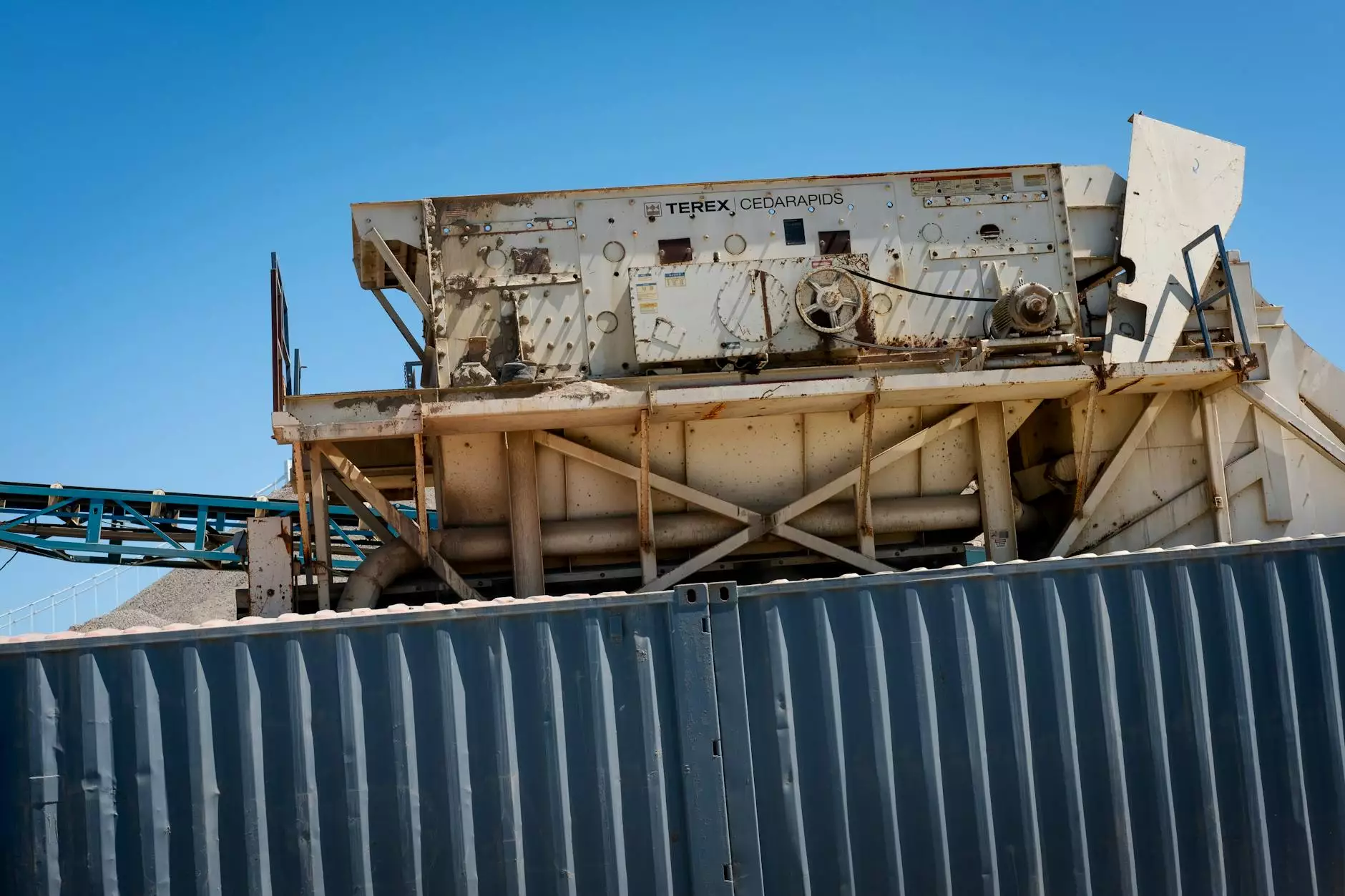
The world of scrap trading offers immense opportunities for businesses looking to thrive while also contributing to environmental sustainability. Whether you're an industrial scrap buyer or a small business owner, understanding the dynamics of the scrap market is crucial for maximizing your profits and minimizing waste. This article delves deep into the ins and outs of scrap for sale, the mechanisms of the scrap industry, and the advantages of engaging in recycling solutions.
The Scrap Trading Center: Your Gateway to Profits
Scrap Trading Center is the leading platform for buying and selling scrap materials. Our mission is to create a seamless marketplace where suppliers and buyers can connect effectively. We provide comprehensive services that meet the needs of various industrial sectors, ensuring quality, reliability, and the best possible prices for scrap for sale.
Understanding the Scrap Market Landscape
The scrap market is a vibrant ecosystem that plays a vital role in today's economy. It encompasses various materials such as metals, plastics, wood, and electronics. Each category of scrap has unique characteristics and markets, making it crucial for businesses to understand what they are dealing with.
Key Types of Scrap Materials
- Ferrous Metals: These include iron and steel, which are magnetic and commonly used in construction and manufacturing.
- Non-Ferrous Metals: This category includes copper, aluminum, and lead, known for their resistance to corrosion and high recyclability.
- Plastics: With the growing environmental awareness, recycled plastics are increasingly being repurposed in various industries.
- Electronics: E-waste contains valuable metals and rare materials, making it a lucrative market for recycling.
Benefits of Engaging in Scrap Trading
When businesses participate in the scrap trading industry, they unlock a multitude of benefits, including:
- Cost Savings: By selling scrap, companies can recover some of their material costs, significantly improving their bottom lines.
- Environmental Impact: Recycling scrap reduces landfill waste and pollution, supporting sustainable business practices.
- Strengthened Supply Chains: Working with scrap can provide businesses with alternative material sources, enhancing supply chain resilience.
- Revenue Generation: Scrap for sale presents an opportunity for new revenue streams, especially in industries heavily reliant on raw materials.
How to Successfully Buy and Sell Scrap
Engaging in scrap trading requires strategic planning and execution. Here's how to navigate this process effectively:
Identifying Potential Scrap Sources
Scrap buyers should actively seek out industries that generate surplus materials. Common sources include:
- Manufacturing Plants: These facilities often produce metal scraps and excess materials.
- Construction Sites: Steel, concrete, and wood scraps can be sourced from construction projects.
- Automotive Businesses: Junked vehicles provide a wealth of recyclable metals.
- Electronics Recycling Centers: These centers specialize in e-waste, recovering valuable materials.
Evaluating Scrap Quality and Prices
Before buying scrap, it's crucial to assess the quality of materials. High-quality scrap can yield better prices and margins. Buyers should consider the following:
- Purity: The less contamination, the more valuable the scrap.
- Market Demand: Prices can fluctuate based on demand, so understanding the market is essential.
- Condition: Scrap that is intact and requires minimal processing usually commands a higher price.
Recycling Solutions: Taking Responsibility for the Environment
As businesses engage in scrap trading, they also play a role in implementing recycling solutions. Being environmentally responsible can enhance a company’s public image and customer loyalty.
Implementing Effective Recycling Strategies
To position your business as a leader in recycling, consider the following strategies:
1. Partnering with Recycling Facilities
Work with certified recycling centers to ensure proper handling and processing of scrap materials. This collaboration not only complies with regulations but also boosts your company's credibility in the market.
2. Educating Employees and Stakeholders
Train your team on the benefits of recycling and how to identify recyclable materials. Engaged employees can drive your recycling initiatives forward.
3. Developing a Sustainability Plan
Create a tangible plan outlining your goals for waste reduction and recycling. This establishes accountability and engages your entire organization in sustainability efforts.
4. Utilizing Technology
Leverage technology to track waste production, monitor recycling efforts, and optimize scrap management processes. Innovative software can provide analytics that helps refine operations and reduce costs.
Marketing Your Scrap for Sale Business
To succeed in the scrap trading industry, it's essential to market your business effectively. Here are some strategies to consider:
1. Optimize Your Online Presence
Invest time in SEO to ensure your website, scraptradingcenter.com, is easily discoverable. Use relevant keywords such as "scrap for sale" strategically throughout your content.
2. Leverage Social Media
Engage with potential customers on platforms like LinkedIn and Facebook. Share insights about the benefits of scrap trading and recycling, positioning your brand as a thought leader in the industry.
3. Network with Industry Players
Attend trade shows, workshops, and seminars related to scrap trading and recycling. Networking can lead to valuable partnerships and business opportunities.
Future Trends in Scrap Trading
The scrap trading industry is constantly evolving. Keeping an eye on future trends can help businesses stay ahead of the curve. Some trends to watch include:
1. Innovative Recycling Technologies
Advancements in technology are leading to more efficient recycling processes. In the coming years, expect to see more automated facilities and improved sorting technologies that enhance the quality of recycled materials.
2. Increased Regulations
As sustainability becomes a priority globally, stricter regulations surrounding waste management and recycling are likely to emerge. Businesses must be prepared to adapt to these changes.
3. Growing Consumer Demand for Sustainability
Today's consumers prefer to engage with businesses that prioritize environmental responsibility. Companies that successfully market their commitment to sustainability will likely capture a larger market share.
Conclusion: The Time is Now for Scrap Trading
Engaging in the business of scrap for sale not only propels your company toward fiscal success but also contributes to a more sustainable future. By understanding the landscape of scrap trading, implementing effective strategies, and staying current with market trends, companies can capitalize on this lucrative industry. Scrap Trading Center is here to provide the necessary support and guidance for all your scrap trading needs.
If you’re ready to embark on your scrap trading journey, visit scraptradingcenter.com to learn more about our services and how we can help you make the most of scrap for sale opportunities. Together, let's unlock the potential of scrap and pave the way for a greener tomorrow!